LDS VACUUM NW50X40 Reducing Nipple NW50-NW40
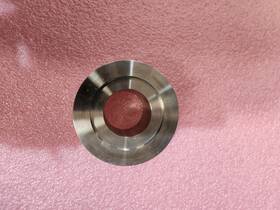
( Brand: Lds Vacuum ), ( Manufacturer Part Number: NW50X40 ), ( Part Type: Vacuum )
Review LDS VACUUM Reducing Nipple
The **NW50x40 Reducing Nipple (NW50-NW40)** is a precision-engineered, high-performance connection component designed for seamless integration into fluid handling, pneumatic, and hydraulic systems where space efficiency and reliable flow transition are critical. Crafted from durable **mild steel or stainless steel** (depending on the variant), this reducing nipple ensures a secure and leak-proof transition between two different pipe sizes specifically from a **50mm nominal width (NW50)** to a **40mm nominal width (NW40)** without compromising system integrity. Its smooth, tapered design minimizes turbulence and pressure drop, making it ideal for applications requiring consistent flow rates, such as industrial piping, HVAC systems, or automotive fluid lines. The nipple features a **threaded male connection on the NW50 end** and a **threaded female connection on the NW40 end**, allowing for versatile installation in both straight-line and angled configurations. Constructed with **precision machining**, the nipple maintains a tight seal even under high-pressure conditions, reducing the risk of leaks or wear over extended use. Whether used in **water supply networks, gas distribution systems, or specialized mechanical assemblies**, this reducing nipple delivers durability, efficiency, and ease of installation, ensuring optimal performance in demanding environments. Its robust construction and standardized sizing make it a reliable choice for engineers and technicians seeking a dependable solution for reducing pipe diameters without sacrificing functionality.
**Pros and Cons of Buying a Vacuum NW50x40 Reducing Nipple (NW50-NW40)**
A vacuum NW50x40 reducing nipple is a critical component in vacuum systems, used to connect pipes or tubes of different diameters while maintaining a secure seal. Below is a detailed analysis of its advantages and disadvantages.
### **Pros**
1. **Compatibility with Vacuum Systems**
The reducing nipple ensures a smooth transition between a NW50 (50mm nominal width) and NW40 (40mm nominal width) connection, preventing leaks and maintaining system integrity. This is essential in applications where precise sealing is required, such as in vacuum pumps, filtration systems, or industrial processes.
2. **Standardized Design**
This nipple follows industry standards (likely ISO or DIN), ensuring it fits seamlessly with other vacuum system components. Standardization reduces the risk of misalignment or improper installation, which could lead to inefficiencies or failures.
3. **Durability and Material Quality**
High-quality reducing nipples are typically made from materials like stainless steel, brass, or other corrosion-resistant alloys. These materials can withstand repeated vacuum cycles, chemical exposure, and temperature fluctuations, extending the lifespan of the component and the entire system.
4. **Easy Installation and Maintenance**
The design is straightforward, often featuring a simple screw-on or clamp mechanism. This makes installation quick and reduces downtime. Additionally, if maintenance is required, the nipple can usually be replaced without dismantling the entire system.
5. **Cost-Effective for Long-Term Use**
While the initial cost may seem moderate, the reliability and longevity of a well-made reducing nipple justify the investment. Cheaper alternatives may fail prematurely, leading to costly repairs or system downtime.
6. **Versatility in Applications**
Beyond vacuum systems, this nipple can be used in other fluid transfer applications, such as compressed air lines or low-pressure gas systems, making it a versatile purchase for various industrial or laboratory setups.
7. **Reduced Risk of Contamination**
In applications where cleanliness is critical (e.g., pharmaceutical, food processing, or semiconductor manufacturing), a properly sealed reducing nipple minimizes the risk of particulate contamination entering the system.
---
### **Cons**
1. **Potential for Leaks if Improperly Installed**
If not tightened correctly or if the gasket/seal is damaged, the nipple can leak, compromising the vacuum or pressure integrity of the system. This requires careful installation and periodic checks.
2. **Limited Compatibility with Non-Standard Systems**
If the system uses non-standard fittings or non-matching materials, the NW50x40 nipple may not be compatible. Always verify compatibility with the rest of the system before purchase.
3. **Cost Relative to Simpler Fittings**
Compared to straight pipes or simple elbows, a reducing nipple adds an extra component, which may increase the overall cost of the system. However, this is often justified by its functionality.
4. **Potential for Wear Over Time**
Depending on the environment (e.g., exposure to abrasive particles, extreme temperatures, or corrosive substances), the nipple may degrade over time. Regular inspections are necessary to ensure continued performance.
5. **Size Limitations**
The NW50x40 designation means it is only suitable for systems operating within those diameter constraints. For systems requiring larger or smaller transitions, a different nipple would be needed.
6. **Dependence on Quality of Manufacturing**
Poorly manufactured nipples may have defects such as uneven threads, weak seals, or material inconsistencies. Purchasing from a reputable supplier reduces this risk but cannot eliminate it entirely.
7. **Maintenance Requirements**
While generally low-maintenance, the seals or gaskets within the nipple may need periodic replacement, especially in harsh environments. This adds minor ongoing costs and effort.
---
### **Conclusion**
The vacuum NW50x40 reducing nipple is a practical and essential component for systems requiring a transition between two different pipe diameters while maintaining a secure seal. Its standardized design, durability, and ease of installation make it a reliable choice for most vacuum applications. However, its effectiveness depends on proper installation, compatibility with the system, and the quality of the materials used.
For most industrial, laboratory, or commercial vacuum systems, the benefits of using a high-quality reducing nipple outweigh the potential drawbacks. The key is to source the nipple from a trusted manufacturer, ensure correct installation, and perform routine maintenance to prevent leaks or failures.
### **Recommendation**
If you require a reducing nipple for a vacuum system involving NW50 and NW40 connections, **purchase a stainless steel or brass NW50x40 reducing nipple from a reputable supplier**. Prioritize brands known for precision engineering and corrosion resistance, such as those compliant with ISO or DIN standards. Verify that the nipple matches the material and pressure requirements of your system to avoid compatibility issues.
For applications where cost is a major concern but reliability is critical, consider a mid-range option from a well-known manufacturer rather than the absolute cheapest alternative. Additionally, always follow the manufacturer s installation guidelines to maximize performance and longevity. If the system operates in extremely harsh conditions, consult with an expert to determine if additional protective measures (e.g., reinforced seals or alternative materials) are necessary.
Details:
Excellent condition. LDS Vacuum NW50X40 Reducing Nipple NW50-NW40.
part #: nw50x40 prices
- $30.00-$40.00
specifications valvplu:
- brand: Lds Vacuum
- mpn: Nw50x40
- part type: Vacuum
seller valvplu:
- # reviews: 8703
- city: Rockwall, Texas
- rating: 99.9%
shipping valvplu:
- cost: $21.50
- transit: 3-10 Days
- class: Standard, Expedited, One-day
- type: Calculated
- carrier: UPS
- service: UPS Ground, UPS 2nd Day Air, UPS Next Day Air
payments valvplu:
- credit card: Diners-club
- wallet: Apple-pay
- other
- check
general valvplu:
- Pumps Pump Accessories > Vacuum Pumps > Other Vacuum Pumps
- condition: Used
offer valvplu:
- sold: 0
- quantity: 1
- best offers: True
- options: Ship-to-home
- started: February 11, 2026
- availability: In Stock
returns valvplu:
- paid by: Buyer
- method: Money back
- policy: Returns Accepted
- time: 30 Days
Lds Vacuum NW50X40 Is Similar To:
- 600-000 Lds Vacuum Od Cf Conflat Flange Non Rotatable Through Hole (32.7% similar) New, never opened LDC 304 stainless steel 6 conflate non-rota table blank flange with through bolt holes. The box photos are of actual item, flange picture is manufacturers catalog image and representative, not. This is the nice quality stainless steel flange...(July 23rd, 2018)
- Iso160-600-sr-v Lds Vacuum Iso-160 Stainless (38.6% similar) Lds Vacuum ISO-160 stainless Vito centering ring, ISO160-600-SR-V new old stock quoted shipping price is for lower 48 us states only Logan technologies...(February 4th, 2018)
- Nw40-150-alf Lds Vacuum Long Butt Flange Aluminum New In Package (35.2% similar) Shipping quotes are for the USA lower 48 states only. Please for shipping quote. Lds Vacuum NW40-150-ALF long butt flange aluminum new in package. New in package. This offer is for an Lds Vacuum NW40-150-ALF long butt flange aluminum. Please scroll down for large photos...(January 7th, 2019)
- Wf300x150-cr Lds Vacuum To Weldable Body Conical Reducer New (40.4% similar) Lds Vacuum WF300X150-CR 3 to weldable body conical reducers new. New shelf spare. Please scroll down for large photos. Shipping quotes are for the USA lower 48 states only. Please for shipping quote...(September 9th, 2018)