OXIGRAF D-147 Oxygen Deficiency Analyzer Differential Module Pressure
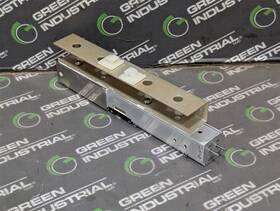
( Brand: Oxigraf ), ( Manufacturer Part Number: D-147 ), ( Part Type: Pressure Analyzer Module )
Review OXIGRAF Used Oxygen Deficiency Analyzer Differential Pressure Module
The **Oxigraf D-147 Oxygen Deficiency Analyzer Differential Pressure Module** is a high-performance, industrial-grade instrument designed to provide precise and reliable monitoring of oxygen levels in confined spaces, ventilation systems, and hazardous environments where oxygen depletion poses a critical safety risk. Engineered with advanced differential pressure sensing technology, this module ensures accurate detection of oxygen deficiencies by measuring the pressure differential between ambient air and a reference point, allowing for real-time assessment of oxygen concentration with exceptional sensitivity and repeatability. Ideal for applications in mining, tunneling, construction, and industrial settings, the D-147 integrates seamlessly with existing safety systems, offering a robust solution for compliance with occupational health and safety regulations such as OSHA s Permit-Required Confined Space (PRCS) standards and other international guidelines. Its compact yet durable design incorporates ruggedized components, including corrosion-resistant materials and IP67-rated enclosures, to withstand harsh environmental conditions, including exposure to moisture, dust, and extreme temperatures. The differential pressure module operates on a non-invasive principle, eliminating the need for direct gas sampling, which reduces maintenance requirements and enhances operational reliability. With a wide measurement range and configurable alarm thresholds, the D-147 enables proactive hazard mitigation by alerting operators to oxygen levels below safe limits, thereby minimizing the risk of asphyxiation or explosive atmospheres. Whether deployed as a standalone unit or integrated into a larger safety monitoring network, this analyzer delivers unparalleled precision and dependability, making it an indispensable tool for ensuring worker safety in high-risk environments.
### **Pros and Cons of buying a Oxigraf D-147 Oxygen Deficiency Analyzer Differential Pressure Module**
#### **Pros**
1. **High Accuracy and Reliability**
The D-147 module is designed for precise oxygen monitoring, making it suitable for critical applications such as industrial safety, medical environments, and confined space entry. Its differential pressure-based detection ensures consistent and reliable readings, reducing false alarms.
2. **Durability and Robust Construction**
Built for harsh industrial conditions, the device is likely constructed with materials resistant to corrosion, extreme temperatures, and mechanical stress. This longevity minimizes maintenance costs and downtime over time.
3. **Compatibility with Existing Systems**
As part of the Oxigraf series, the D-147 module integrates seamlessly with other Oxigraf analyzers and monitoring systems. This compatibility simplifies installation and retrofitting into existing setups without requiring significant modifications.
4. **Real-Time Monitoring and Alerts**
The module provides immediate feedback on oxygen levels, allowing operators to take corrective action before hazardous conditions develop. Some models may include programmable alarms for low-oxygen thresholds, enhancing safety protocols.
5. **Versatile Applications**
Beyond industrial safety, the D-147 can be used in:- **Confined space entry** (construction, mining, wastewater treatment)
- **Medical and laboratory settings** (anesthesia, hyperbaric chambers)
- **Aviation and marine environments** (cabin pressurization, submarine safety)
This versatility justifies the investment for organizations with diverse monitoring needs.
6. **Regulatory Compliance**
Many industries (e.g., OSHA, NFPA, ISO) mandate oxygen monitoring in high-risk areas. The D-147 likely meets these standards, helping avoid legal penalties and ensuring workplace safety compliance.
7. **Low Maintenance Requirements**
Compared to electrochemical sensors, differential pressure-based systems may require less frequent calibration and replacement, reducing operational overhead.
---
#### **Cons**
1. **High Initial Cost**
The D-147 is a specialized piece of equipment, and its price point may be prohibitive for small businesses or startups with limited budgets. The upfront investment could be a barrier for organizations not yet fully committed to comprehensive safety monitoring.
2. **Complex Installation and Setup**
Proper installation requires technical expertise, especially when integrating with existing systems. Misconfiguration could lead to inaccurate readings or system failures, necessitating training or hiring certified personnel.
3. **Dependence on Power Supply**
Like most electronic devices, the D-147 requires a stable power source. In environments with unreliable electricity (e.g., remote sites), backup power solutions (batteries, generators) may be needed, adding to operational costs.
4. **Limited Portability**
While some Oxigraf models are portable, the D-147 module itself may be designed for fixed installations. Organizations needing mobile monitoring (e.g., field inspections) might require additional hardware or accessories, increasing complexity.
5. **Sensor Drift Over Time**
Even high-quality sensors can experience drift, leading to gradual inaccuracies. Regular calibration and maintenance are essential to ensure continued reliability, which may involve downtime or service contracts.
6. **Vendor Lock-In Risks**
Relying on a specific brand (Oxigraf) for spare parts and support could limit flexibility if the company later needs to switch suppliers. Compatibility with third-party systems may also be limited.
7. **Training Requirements**
Operators must be trained to interpret readings and respond to alerts correctly. Without proper training, the system s benefits may not be fully realized, and safety risks could persist.
---
### **Conclusion**
The **Oxigraf D-147 Oxygen Deficiency Analyzer Differential Pressure Module** is a high-performance tool ideal for industries prioritizing safety, accuracy, and compliance. Its strengths lie in its precision, durability, and integration capabilities, making it a valuable asset for environments where oxygen monitoring is critical. However, the high cost, installation complexity, and maintenance needs may pose challenges for smaller organizations or those with limited technical resources.
For **large industrial facilities, mining operations, medical centers, or aviation/marine applications**, the D-147 represents a worthwhile investment in safety and operational efficiency. **Smaller businesses or budget-conscious buyers** may need to weigh the long-term benefits against the upfront costs and consider alternative, more affordable solutions if their needs are less demanding.
---
### **Recommendation**
- **Buy if:**- Your organization operates in a high-risk environment (e.g., confined spaces, chemical plants, medical facilities) where oxygen monitoring is legally required or critical to safety.
- You have the budget for a premium, reliable system and can justify the cost through reduced downtime, compliance, and accident prevention.
- Your team has access to technical support or can invest in training to ensure proper use and maintenance.
- **Consider alternatives if:**- Your budget is constrained, and you can achieve similar safety goals with a lower-cost analyzer (e.g., electrochemical-based models).
- Your monitoring needs are intermittent or limited to specific tasks where portability is more important than fixed installation.
- You lack in-house expertise to install, calibrate, or troubleshoot the system, and outsourcing support would be costly.
For organizations that meet the criteria for purchase, the **Oxigraf D-147 is a robust choice** that delivers long-term value in safety and operational integrity. For others, exploring entry-level or modular alternatives may provide a more balanced solution.
Details:
Part#: D-147. Condition: Used. Oxigraf Differential Pressure Module, Brand.
part #: d147 price
- $100.00
specifications valvplu:
- brand: Oxigraf
- mpn: D-147
- part type: Pressure Analyzer Module
seller valvplu:
- # reviews: 9530
- city: Belgium, Wisconsin
- rating: 99.9%
returns valvplu:
- policy: Returns Accepted
- time: 30 Days
- paid by: Buyer
- method: Money back
general valvplu:
- condition: Used
- Pumps Pump Accessories > Vacuum Pumps > Diaphragm Pumps
payments valvplu:
- credit card: Visa
- other
- wallet: Paypal
shipping valvplu:
- class: Standard, Expedited, One-day
- service: UPS Ground, UPS 2nd Day Air, UPS Next Day Air
- type: Calculated
- carrier: UPS
- cost: $7.84
- transit: 2-5 Days
offer valvplu:
- best offers: True
- sold: 0
- availability: In Stock
- started: February 26, 2026
- options: Ship-to-home
- quantity: 1