TAYLOR 392TD00112 Diaphragm Pump 1000PSI
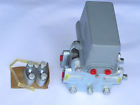
( Brand: Taylor ), ( Manufacturer Part Number: 392TD00112 ), ( Part Type: Pump )
Review TAYLOR Diaphragm Pump 1000psi
The Taylor 392TD00112 Diaphragm Pump is a versatile and reliable solution for a wide range of industrial applications. This pump is designed to operate at a maximum pressure of 1000 PSI (Pounds per Square Inch), making it suitable for high-pressure applications.
The pump features a diaphragm design, which is known for its ability to handle a wide range of fluids without the risk of contamination. The diaphragm is made of high-quality materials, ensuring durability and longevity even under heavy usage. The pump also includes a stainless steel housing, further enhancing its resistance to corrosion and wear.
The 392TD00112 Diaphragm Pump is powered by a powerful motor, which ensures efficient operation and minimal energy consumption. The pump has a compact design, making it easy to install and maneuver in tight spaces. It also includes a built-in pressure relief valve, which automatically releases excess pressure to prevent damage to the pump or the system it's connected to.
The pump comes with a variety of connections, including NPT threads, allowing for easy integration with a wide range of systems. It's also equipped with a drain valve, which makes it easy to drain the pump when not in use.
The Taylor 392TD00112 Diaphragm Pump is a reliable and durable solution for high-pressure applications. Its diaphragm design ensures the pump can handle a wide range of fluids, while its powerful motor and compact design ensure efficient operation. With its various connections and built-in pressure relief valve, this pump is a versatile and convenient addition to any industrial system.
Pros of the Taylor 392TD00112 Diaphragm Pump:1. High Pressure Capability: This pump can operate at a maximum pressure of 1000 psi, making it suitable for various industrial applications that require high-pressure fluid handling.
2. Durable Diaphragm Pump Design: The diaphragm pump design is known for its reliability and ability to handle abrasive and corrosive fluids without wear and tear.
3. Quiet Operation: Diaphragm pumps are generally quieter than other types of pumps, making them suitable for use in noisy environments or for applications where noise reduction is important.
4. Cost-effective: Diaphragm pumps are typically less expensive to maintain and repair than other types of pumps, as they have fewer moving parts.
5. Versatile: The 392TD00112 pump can be used with a variety of fluids, including water, oil, chemicals, and slurries, making it a versatile option for different industries.
Cons of the Taylor 392TD00112 Diaphragm Pump:1. Limited Flow Rate: While the pump can handle high pressure, its flow rate may be limited compared to other types of pumps, which may not be suitable for applications that require high flow rates.
2. Size and Weight: Diaphragm pumps are generally larger and heavier than other types of pumps, which may limit their portability and ease of installation in certain applications.
3. Requires Regular Maintenance: While diaphragm pumps are less expensive to maintain and repair than other types of pumps, they still require regular maintenance to ensure optimal performance and longevity.
Conclusion:The Taylor 392TD00112 Diaphragm Pump is a reliable and versatile option for industries that require high-pressure fluid handling. Its quiet operation, durability, and cost-effectiveness are significant advantages that make it a popular choice. However, its limited flow rate and size may be a disadvantage for some applications. It is essential to consider these pros and cons before making a purchasing decision to ensure that the pump is the best fit for your specific application.
Recommendation:If you require a high-pressure pump that can handle a variety of fluids, the Taylor 392TD00112 Diaphragm Pump is an excellent option to consider. However, it is essential to evaluate your specific application requirements, including flow rate, pressure, and fluid type, to ensure that the pump is the best fit for your needs. Additionally, consider the size and weight of the pump to determine if it is suitable for your installation location and transportation requirements. Finally, ensure that you have a maintenance plan in place to ensure the longevity and optimal performance of the pump.
Details:
specifications valvplu:
- brand: Taylor
- mpn: 392td00112
- part type: Pump
Offer valvplu:
- Sold: 0
- quantity: 1
- Started: September 15, 2017, 5:10 am
- bids: 0
- best offer: false
General valvplu:
- in stock: Yes
- business industrial > electrical test equipment > industrial automation control business industrial > valves and flow controls industrial automation control
- condition: New other see details
Returns valvplu:
- paid by: Buyer
- type: Money Back
- time: 14 Days
- policy: returns accepted
Shipping valvplu:
- handling: 1 days
- cost: $25.0
- type: Flat
Payments valvplu:
- PayPal
Seller valvplu:
- city: Richfield, Ohio
- zipcode: 44286
Ratings:
- A 03-23-17
- You are a gentleman/lady a scholar. Thanks very much! 09-11-17
- Quick response and fast payment. Perfect! THANKS!! 09-11-17
- Quick Delivery, Thanks 05-26-17
- Fast shipping. perfect. A 07-27-17