LUTZ JESCO 1711-82-9314-1 Hydraulically Actuated Diaphragm Pump 200PSIG
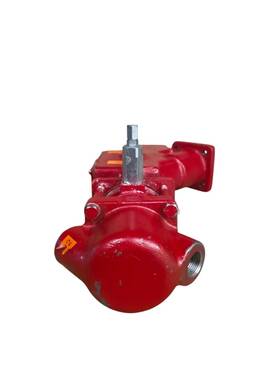
( Brand: Lutz Jesco ), ( Manufacturer Part Number: 1711-82-9314-1 ), ( Part Type: Pump ), ( Diaphragm Pump Type: Double Diaphragm Pump )
Review LUTZ JESCO 1711 Hydraulically Actuated Diaphragm Pump 200psig
The **Lutz Jesco 1711-82-9314-1 1711 Series Hydraulically Actuated Diaphragm Pump** is a robust, high-performance fluid transfer solution engineered for demanding industrial applications where reliability, precision, and durability are paramount. Part of Lutz s renowned 1711 series, this pump combines advanced hydraulic actuation with a rugged diaphragm design to deliver consistent, pulsation-free flow rates while handling a wide range of aggressive, viscous, or abrasive fluids including chemicals, slurries, acids, and solvents without compromising system integrity. With a rated working pressure of **200 PSIG**, this pump excels in high-pressure applications such as chemical processing, wastewater treatment, oil and gas extraction, and industrial coating systems, where precise metering and corrosion resistance are critical. The hydraulically driven mechanism ensures smooth, low-maintenance operation by eliminating the need for direct mechanical seals or rotating shafts, reducing wear and minimizing the risk of leaks or contamination. Constructed from **stainless steel (SS316) or other corrosion-resistant alloys** depending on the model variant, the pump s internal components including the diaphragm, valves, and housing are designed to withstand harsh environments, extended duty cycles, and temperature fluctuations ranging from **-20 F to 250 F**, making it suitable for both ambient and controlled-process conditions. Its **self-priming capability** and compact yet sturdy frame allow for easy integration into existing piping systems, while the modular design simplifies servicing and part replacement, reducing downtime. Whether used for precise chemical dosing, aggressive fluid transfer, or high-pressure applications requiring minimal maintenance, the Lutz Jesco 1711-82-9314-1 delivers unmatched versatility, efficiency, and longevity, making it an indispensable asset for industries where fluid handling demands both performance and resilience.
### **Pros and Cons of buying a Lutz Jesco 1711-82-9314-1 (1711) Hydraulically Actuated Diaphragm Pump (200 PSIG)**
#### **Pros**
1. **High Pressure Capability (200 PSIG)** Suitable for applications requiring moderate to high-pressure fluid transfer, such as chemical processing, oilfield services, or industrial cleaning systems.
2. **Hydraulically Actuated Design** Offers precise control over flow rates and pressure, reducing wear on mechanical components compared to electrically driven pumps.
3. **Durability and Reliability** Diaphragm pumps are known for handling abrasive, viscous, or corrosive fluids without clogging, making them ideal for harsh environments.
4. **Versatile Fluid Handling** Can pump a wide range of liquids, including slurries, acids, and solvents, depending on material compatibility.
5. **Low Maintenance (Compared to Positive Displacement Pumps)** Fewer moving parts than reciprocating pumps, reducing the risk of mechanical failure.
6. **Quiet Operation** Hydraulic actuation tends to produce less noise than pneumatic or electric alternatives.
7. **Compatibility with Hydraulic Systems** If your facility already uses hydraulic power, integrating this pump may simplify system design and reduce additional power requirements.
8. **Long Service Life** High-quality construction (assuming proper maintenance) can extend operational life, especially in continuous duty cycles.
#### **Cons**
1. **Higher Initial Cost** Compared to simpler diaphragm pumps or centrifugal pumps, this hydraulically actuated model may have a higher upfront price.
2. **Dependence on Hydraulic Power** Requires a functional hydraulic system to operate, which adds complexity and potential points of failure if the hydraulic unit malfunctions.
3. **Space and Installation Requirements** Hydraulic pumps and associated components (reservoirs, filters, valves) may require additional space and proper plumbing.
4. **Maintenance Complexity** While generally low-maintenance, hydraulic systems require periodic fluid changes, filter replacements, and leak checks to prevent contamination or pressure drops.
5. **Potential for Leaks** Hydraulic hoses and seals can degrade over time, leading to fluid leaks if not inspected regularly.
6. **Limited Flow Rate for High Pressure** At 200 PSIG, the flow rate may be lower than lower-pressure pumps, which could be a limitation in high-volume applications.
7. **Specialized Knowledge Required** Troubleshooting hydraulic diaphragm pumps may require expertise in both pump mechanics and hydraulic systems.
8. **Material Compatibility Concerns** If pumping corrosive or abrasive fluids, the pump s internal materials (diaphragm, seals, valves) must be carefully selected to avoid premature wear.
---
### **Conclusion**
The **Lutz Jesco 1711-82-9314-1 (1711) hydraulically actuated diaphragm pump (200 PSIG)** is a robust choice for applications demanding **high-pressure, reliable fluid transfer** in environments where **hydraulic power is already available**. Its **durability, precision control, and ability to handle difficult fluids** make it well-suited for industrial, chemical, or oilfield applications. However, the **higher cost, dependency on hydraulic systems, and maintenance requirements** must be carefully considered.
If your operation **requires precise pressure control, handles abrasive or corrosive fluids, and already integrates hydraulic power**, this pump is a strong investment. If, however, **cost efficiency, simplicity, or lower maintenance** are priorities, alternatives like **electrically driven diaphragm pumps or centrifugal pumps** may be more appropriate.
---
### **Recommendation**
**Buy this pump if:**- You need **200 PSIG pressure** for a specific application (e.g., chemical injection, hydraulic testing, or industrial cleaning).
- Your facility **already has a hydraulic system** in place, reducing integration complexity.
- You are pumping **abrasive, viscous, or corrosive fluids** where standard pumps would fail.
- **Long-term reliability and low mechanical wear** are critical for your operation.
**Consider alternatives if:**- You require **higher flow rates** at lower pressures (a centrifugal or progressive cavity pump may suffice).
- **Budget constraints** make the upfront cost prohibitive, and a simpler diaphragm or gear pump could work.
- Your team lacks **hydraulic system expertise**, increasing potential maintenance challenges.
**Final Suggestion:** If purchasing, **verify compatibility with your hydraulic system, obtain proper seals/diaphragms for your fluid type, and budget for routine hydraulic fluid maintenance** to ensure optimal performance.
Details:
part #: 17118293141 price
- $1999.00
specifications valvplu:
- brand: Lutz Jesco
- mpn: 1711-82-9314-1
- part type: Pump
- diaphragm pump type: Double Diaphragm Pump
payments valvplu:
- other
- wallet: Apple-pay
- credit card: Discover
offer valvplu:
- options: Ship-to-home
- started: April 10, 2026
- quantity: 1
- sold: 0
- availability: In Stock
returns valvplu:
- policy: No Returns
general valvplu:
- Pumps Pump Accessories > Vacuum Pumps > Diaphragm Pumps
- condition: Seller refurbished
shipping valvplu:
- class: Standard
- service: USPS Ground Advantage
- cost: $0.00
- transit: 5-11 Days
- type: Fixed
- carrier: USPS
seller valvplu:
- rating: 0.0%
- city: Kansas City, Kansas
- # reviews: 0
Lutz Jesco 1711-82-9314-1 Is Similar To:
- Lutz Lst-1 2b Model Diaphragm Pump New Ufg103 (45.9% similar) Acquired from a reliable source. Used items have a 30-DAY return. Has some cosmetic wear. No means to test.: comes as shown...(November 14th, 2024)